
Social media can be a game-changer for small businesses, but many owners unknowingly kill their efforts with common mistakes. From posting without a strategy to ignoring engagement, these mistakes cost time, money, and growth opportunities. In today’s competitive digital landscape, standing out requires more than just showing up—it demands smart, intentional action. In this comprehensive guide, we’ll break down the five biggest social media blunders small businesses make—and how to resolve them before they hurt your brand.
Small Business Social Media: What to Stop Doing
Running a small business means wearing multiple hats, and social media often falls to the bottom of the priority list. Between managing operations, serving customers, and handling finances, it’s easy to treat social media as an afterthought. But this mindset is where things go wrong way. Many small business owners dive into posting without a clear plan, hoping something will stick. Others spread themselves across every platform, trying to be everywhere at once. The result? Burnout, inconsistent content, and low returns.
The truth is, social media isn’t just about posting—it’s about strategy, consistency, and engagement. Small businesses that succeed online treat their social channels as a core part of their marketing, not a side project. They focus on quality over quantity, engage with their audience, and track what works. According to 2026 marketing data, businesses that commit to a structured social media strategy gain up to three times more engagement than those who posting randomly.
If your social media feels like a chore with little payoff, it’s time to give up what’s not working. The good news? You don’t need a big budget or a dedicated team to make social media work for your business. What you need is clarity, focus, and a willingness to learn from common mistakes. Let’s dive into the five most critical errors small businesses make—and how to avoid them.
Common Social Media Mistakes for small business to Avoid
Even well-meaning business owners can fall into traps that limit their social media success. Here are the five most common mistakes for small businesses—and how to avoid them.
1. Posting Without a Strategy
One of the biggest mistakes small businesses make is posting randomly without a clear goal. They split product photos, motivational quotes, or event updates whenever they remember, but there’s no overarching plan. This “spray and pray” approach wastes time and confuses your audience.
Why it’s a problem: Without a strategy, your content lacks direction. You might post too much about promotions and not enough about building trust or educating your audience. Algorithms also favour accounts with consistent, engaging content—random posts won’t cut it. Research shows that businesses without a documented social media strategy are 53% less likely to see positive results from their efforts.
How to fix it: Start by defining your social media goals. Do you want more leads, brand awareness, or customer loyalty? Next, identify your target audience and what they need. Create a simple content calendar with three to four content pillars—like educational tips, behind-the-scenes stories, customer testimonials, and promotions. Stick to this plan for at least 90 days before making changes.
Experts recommend following the 40-30-30 rule: 40% educational content (tips, how-to, insights), 30% business content (product updates, behind-the-scenes, milestones), and 30% community content (engagement questions, user highlights, reshares). This balance keeps your feed valuable while still promoting your business.
2. Trying to Be on Every Platform

Small businesses often feel pressured to be on Facebook, Instagram, TikTok, LinkedIn, X (Twitter), and more. But managing multiple platforms leads to burnout and low-quality content everywhere.
Why it’s a problem: Each platform has its own audience, format, and best practices. Spreading yourself everywhere means you can’t master any of them. You’ll end up posting inconsistently or repurposing the same content across channels, which hurts engagement. According to 2026 data, small businesses that focus on one or two platforms see 2.5 times better results than those trying to maintain five or more.
How to fix it: Pick one or two platforms where your ideal customers actually spend time. For example, B2B services may thrive on LinkedIn, while visual brands like fashion or food do better on Instagram or TikTok. Focus your energy there, and go deep instead of wide. It’s better to excel on two platforms than to be highlighted on five.
To choose the right platforms, consider these steps:
- Check your website analytics to see which social platforms already send you traffic.
- Research your top three competitors and note which platforms drive their highest engagement.
- Look at platform demographic data to match user profiles to your ideal customer.
Once you’ve chosen your platforms, commit to them for at least six months before evaluating whether to expand.
3. Only Posting Promotions
Many small businesses treat social media like a digital billboard, constantly pushing sales, discounts, or new products. While promotions are important, they shouldn’t dominate your feed.
Why it’s a problem: People don’t follow brands to see ads—they follow for value, entertainment, or connection. If every post is a sales pitch, your audience will tune out or unfollow. Algorithms also deprioritize overly promotional content. Studies show that posts with purely promotional captions receive 40% less engagement than value-driven content.
How to fix it: Follow the 80/20 rule: 80% of your content should educate, entertain, or inspire, and only 20% should promote. Share tips, industry insights, customer stories, or behind-the-scenes glimpses of your business. When you do promote, make it feel natural—like recommending a product to a friend.
A proven content mix for small businesses includes:
- Educational content (40%): Tips, how-to, and insights from your area of expertise.
- Business content (30%): Product updates, behind-the-scenes, goals, offers.
- Community content (30%): Engagement questions, user highlights, reshares of relevant content.
This approach builds trust and keeps your audience engaged while still driving sales.
4. Ignoring Comments and Messages
Social media is a two-way conversation, but many businesses post and disappear. They don’t reply to comments, answer questions, or acknowledge feedback.
Why it’s a problem: Ignoring engagement sends a message that you don’t care about your audience. It also hurts your reach—platforms prioritize accounts that build interaction. Plus, every comment or message is a chance to build trust and turn followers into customers. Data from 2026 shows that businesses responding to comments within two hours see 60% higher engagement rates than those responding after 24 hours.
How to fix it: Make engagement a daily habit. Respond to comments within 24 hours, thank people for positive feedback, and answer questions promptly. Ask questions in your captions to encourage conversation. Treat social media like a community, not a broadcast channel.
Set aside 10–15 minutes each day specifically for engagement. During this time, respond to comments, answer DMs, and interact with posts from your ideal customers and complementary businesses. This consistent effort builds relationships and signals to algorithms that your account is worth promoting.
5. Not Tracking Results
Many small businesses post consistently but never check their analytics. They don’t know which posts perform well, who their audience is, or what drives results.
Why it’s a problem: Without data, you’re flying blind. You might keep posting content that doesn’t miss opportunities to double down on what works. Analytics also help you prove social media’s ROI to yourself or stakeholders. Businesses that track their social media metrics weekly are 3.2 times more likely to report positive business outcomes from their efforts.
How to fix it: Spend 15 minutes a week reviewing your insights. Look at metrics like engagement rate, reach, clicks, and conversions—not just follower count. Identify your top-performing posts and ask why they worked. Use this data to improve your strategy over time.
Key metrics to track include:
- Reach: Unique accounts that saw your content.
- Impressions: Total times your content was displayed.
- Engagement rate: Total engagements divided by reach (or followers).
- Saves and shares: Indicators of valuable content.
- DMs received: Direct interest from your audience.
- Booked calls or sales attributed to social: Revenue-generating actions.
Define four KPIs you’ll track every Friday, and use this data to adjust your content strategy monthly.
How to Build a Social Media Strategy That Works
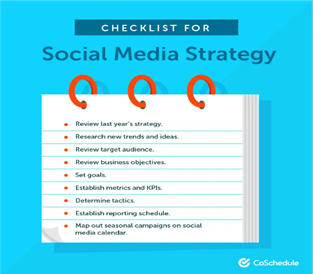
Avoiding mistakes is only half the work you do—you also need a plan that drives results. Here’s how to build a social media strategy that works for your small business.
Define Your Goals and Audience
Start by asking: What do I want social media to achieve? More leads? Brand awareness? Customer loyalty? Write one clear revenue goal—like generating 10 inbound leads or five booked calls per month within six months. Then, identify your ideal customer—who are they, what do they care about, and where do they spend time online? Describe your best customer in five to seven sentences, including their pain points and goals. Your goals and audience will shape everything else.
Choose the Right Platforms
Don’t try to be everywhere. Pick one or two platforms where your audience is most active. For example, local service businesses may thrive on Facebook and Instagram, while professional services do better on LinkedIn. Focus your energy there. Consider starting with one primary platform where your customers are most active and one secondary platform where you can cross-post content with minimal extra effort.
Create a Content Calendar
Consistency is key. If you will post twice or thrice a week and then forget for one week, all your efforts will go in vain. Plan your posts at least a month in advance using a simple calendar. Include a mix of content types—educational, entertaining, and promotional. Batch-create content when you have time, and use scheduling tools to stay consistent.
A practical approach:
- Choose your posting frequency (be realistic—three times per week beats seven times, but if you’ll post it every week).
- Define three to four content pillars (educational, behind-the-scenes, proof/results, community).
- Map pillars to days (give each day a content type).
- Batch create weekly (set aside two hours to create next week’s content).
- Schedule everything using a social media management tool so it publishes automatically.
Many small businesses find success with a 12-post monthly plan: four educational posts, three behind-the-scenes, three proof/results (testimonials, case studies), and two community prompts.
Engage Daily
Social media is about community. Set aside 10–15 minutes a day to respond to comments, answer messages, and engage with your audience. Ask questions, run polls, and encourage conversations. The more you interact, the more your audience will trust and support you.
Make it a habit to engage within two hours of posting, as this boosts algorithmic visibility. Also, spend time interacting with posts from your ideal customers and complementary businesses—this builds relationships and expands your reach organically.
Track and Adjust
Review your analytics weekly. Look at what’s working and what’s not. Double down on high-performing content and drop what doesn’t give results. Social media is all about—keep testing, leaning and improving.
After four weeks of consistent posting and engagement, review your top-performing posts. Identify patterns—what topics, formats, or captions drove the most engagement? Use these insights to plan your next month’s content. Consider amplifying your best organic posts with a small paid budget ($10 per day for seven days) to reach a targeted audience.
Real-World Examples: What This Looks Like in Practice
Let’s make this concrete with a few examples of how small businesses can apply these principles.
For Example: Local Bakery
- Platforms: Instagram and Facebook.
- Content pillars: Behind-the-scenes (baking process), educational (baking tips), community (customer features), promotional (daily specials).
- Posting schedule: Three times per week (Monday: behind-the-scenes reel, Wednesday: baking tip carousel, Friday: customer feature + weekend special).
- Engagement: Respond to all comments within two hours, answer DMs within 24 hours, engage with local foodie accounts daily.
- Tracking: Weekly review of reach, engagement rate, saves, and DMs asking about orders.
For instance: B2B Consulting Firm
- Platforms: LinkedIn only.
- Content pillars: Educational (industry insights), proof/results (case studies, client testimonials), business (company milestones, team spotlights), community (polls, questions).
- Posting schedule: Two to three times per week, with at least one long-form post sharing substantive insights.
- Engagement: Comment on posts from ideal clients and industry leaders daily, respond to all comments on own posts within 24 hours.
- Tracking: Weekly review of post impressions, engagement rate, profile visits, and inbound connection requests or DMs.
Such as: Home Services Business (Plumber, Electrician, etc.)
- Platforms: Facebook and Instagram.
- Content pillars: Before/after transformations, educational (maintenance tips), community (local shout-outs, team highlights), promotional (seasonal offers).
- Posting schedule: Three times per week (Monday: workspace photo, Wednesday: tip or myth-buster, Friday: before/after or testimonial).
- Engagement: Respond to all comments and messages promptly, engage with local community groups and complementary businesses.
- Tracking: Weekly review of reach, engagement, saves, and direct inquiries on posts and DMs.
These examples show that you don’t need fancy equipment or a big budget—just consistency, value, and genuine engagement.
Final Thoughts

Social media doesn’t have to be overwhelming for small businesses. By avoiding these five common mistakes—posting without a strategy, trying to be on every platform, only promoting, ignoring engagement, and not tracking results—you can set yourself up for success. Focus on quality over quantity, engage with your audience, and let data guide your decisions. With the right approach, social media can become one of your most powerful growth tools.
Ready to level up your social media game? Start by auditing your current strategy and fixing one mistake at a time. Small changes add up to big results. Commit to a 90-day plan with clear goals, consistent posting, daily engagement, and weekly tracking. Within three months, you’ll see the difference in sales and engagement—and your business will thank you.